What Logistics & Import Businesses Must Know
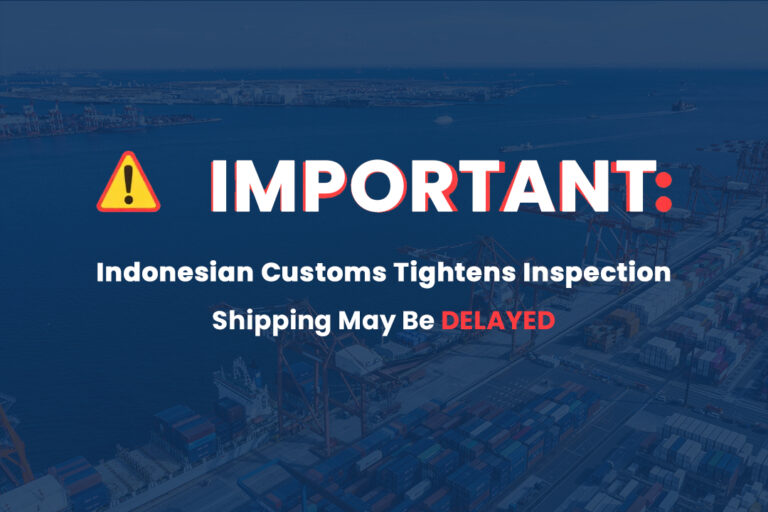
Indonesia Cracks Down on Illegal Imports
Key Developments: Stricter Enforcement in 2025
Indonesia’s Trade Ministry, led by Minister Budi Santoso, is intensifying efforts to combat illegal imports. Routine monitoring in high-risk areas like Surabaya, Makassar, Medan, and Bekasi has led to a significant decline in illegal goods circulation. From January–July 2025 alone, authorities seized Rp26.4 billion (∼$1.6M USD) worth of non-compliant products, including tires, plastic raw materials, ceramics, cosmetics, and food/beverages. Violations ranged from incomplete import permits and missing Indonesian National Standard (SNI) certifications to fraudulent customs declarations. Most illegal shipments originated from China, France, Vietnam, Saudi Arabia, South Korea, and Malaysia. Santoso emphasized that while the trend is improving, sustained vigilance is critical: “Without monitoring, illegal imports will surge again”.
Why Indonesia Is Prioritizing This Crackdown
1. Protecting Domestic Industries:
– Illegal imports undercut local manufacturers, causing factory closures and job losses.
– Textiles, footwear, and ceramics—key Indonesian industries—are primary targets.
2. Safeguarding Consumers:
– Non-compliant goods (e.g., uncertified cosmetics or food) pose health and safety risks.
– Products lacking Indonesian-language labels or SNI numbers mislead buyers.
3. Closing Tax Gaps:
– Illegal imports evade tariffs and taxes, draining state revenue.
– Recent U.S.-Indonesia tariff agreements further pressure authorities to curb transshipment fraud.
Impact on Logistics & Import Operations
– Customs Delays: Enhanced inspections at ports/airports prolong clearance times, especially during the annual “Redline Period” enforcement (December–March).
– Business Penalties: Violators face sanctions like:
Warning letters (14 businesses in 2025).
Goods destruction orders (18 businesses).
Suspended customs access (2 businesses).
– Documentation Scrutiny: Incomplete Import Notification Documents (PIBs), missing surveyor reports, or unregistered SNI numbers trigger rejections.
4 Practical Steps for Compliance
1. Pre-Shipment Checks:
– Verify SNI requirements for your product category (e.g., steel, safety shoes, electronics).
– Ensure all packaging includes Indonesian labels and K3L (health-safety-environment) codes.
2. Partner with Licensed Local Agents:
– Use “white channel” (clear customs) brokers with full import permits (API) and avoid grey-channel operators.
– For e-commerce, register business licenses and price goods ≥Rp1.5 million/unit.
3. Audit Documentation Early:
– Cross-check the commercial invoice, packing list, and bill of lading with 100% accuracy.
– Apply for SGS pre-shipment inspections for high-risk items (textiles, LEDs).
4. Anticipate Delays:
– Book shipments with 14-day free demurrage periods to offset clearance hold-ups.
– Avoid high-risk transshipment routes flagged by authorities.
The Path Forward
Indonesia’s message is clear: compliance is non-negotiable. As Minister Santoso warned, “Violators risk business closure, revoked licenses, and permanent import bans”. While stricter rules increase operational costs, they level the playing field for ethical businesses.
For logistics providers, this shift creates opportunities:
– Offer end-to-end compliance support (document checks, SNI registration).
– Develop transparent tracking systems for importers.
Disclaimer: This content is shared for additional information purposes. Should there be any incorrect source attribution or infringement of your legal rights, please contact us with proof of ownership for timely correction or removal. Thank you. Email address: info@minsuncargo.com